Best Credit Cards After Bankruptcy in 2026
Secured cards and credit-builder products ranked by how effectively they rebuild your score after Chapter 7 or Chapter 13 discharge.
Last updated: 2026-03-31
Our Top Picks at a Glance
Getting approved for a credit card after bankruptcy feels impossible — and the rejection letters can make an already difficult situation feel worse. But here's what the big finance sites won't tell you clearly: most secured card issuers will approve you as early as the day after your bankruptcy discharge. You don't need to wait years. You need the right card, applied for at the right time, with realistic expectations about what comes next.
We evaluated cards for post-bankruptcy rebuilders on criteria that matter to people starting from zero: approval odds immediately after discharge, whether the card reports to all three bureaus (essential for rebuilding), the path to upgrading to an unsecured card, fees that don't eat into your deposit, and any rewards that help offset the cost of rebuilding. We also included non-card credit-builder products because a diversified credit mix (revolving + installment) rebuilds scores faster than a single secured card alone.
The timeline matters. Chapter 7 filers can apply immediately after discharge (typically 3-6 months from filing). Chapter 13 filers should wait until their repayment plan is complete (3-5 years), though some secured cards approve during an active plan with court permission. We note approval timing for each product below.
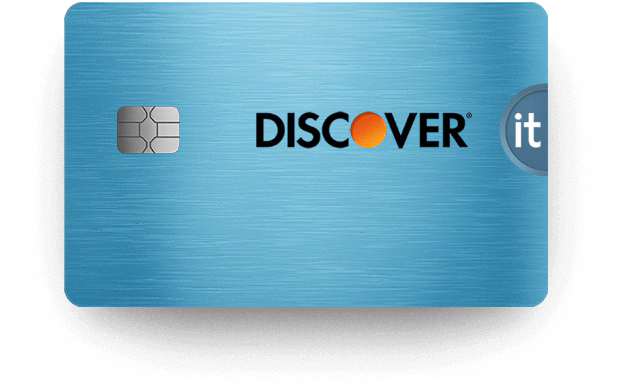
Discover it Secured — Best Overall for Rebuilding
Deposit: $200-$2,500 | Annual Fee: $0
The Discover it Secured is our top pick because it does something no other secured card does: it earns real rewards (2% at gas stations and restaurants, 1% everywhere else) and doubles all cash back earned in your first year through the Cashback Match program. On a $200/month spending pattern, that's roughly $50-60 in cash back your first year — real money when you're rebuilding.
More importantly, Discover reviews your account after 7 months for automatic upgrade to an unsecured card with your deposit returned. That's the fastest graduation timeline among major secured cards. The card reports to all three bureaus monthly.
When to apply: Day after Chapter 7 discharge. Chapter 13 filers should wait until plan completion.
Approval odds post-bankruptcy: High — Discover is known for approving post-bankruptcy applicants with deposits as low as $200.
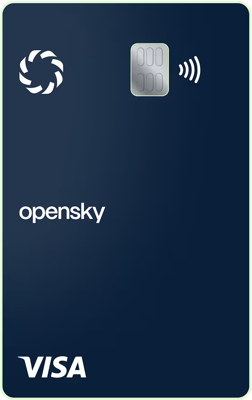
OpenSky Secured Visa — Best for Immediate Approval (No Credit Check)
Deposit: $200-$3,000 | Annual Fee: $35
The OpenSky doesn't run a credit check at all — making it the safest bet if you've been rejected elsewhere or want to avoid an inquiry on your report. You choose your credit limit ($200-$3,000) by setting your deposit amount, and the card is issued by Capital Bank, which reports to all three bureaus.
The $35 annual fee is the tradeoff for guaranteed approval with no credit check. There are no rewards, but that's not why you're getting this card. You're getting it to add a positive-reporting tradeline to your credit file immediately after discharge.
When to apply: Immediately — even before discharge in some cases, since there's no credit check.
Approval odds post-bankruptcy: Virtually guaranteed — no credit check required.
Self Credit Builder Loan — Best Non-Card Option
Monthly Payment: $25-$150 | Term: 12-24 months
Self isn't a credit card — it's a credit-builder loan that works like forced savings. You make monthly payments into a Certificate of Deposit (CD), and Self reports those payments to all three bureaus as an installment loan. When the loan matures, you get the CD balance back (minus interest and fees).
Why include a loan on a credit card list? Because credit mix accounts for 10% of your FICO score, and having both a revolving account (secured card) and an installment account (Self) builds your score faster than either alone. The combination of Discover it Secured + Self Credit Builder is the rebuild strategy we recommend most often.
When to apply: Day after discharge — no credit check required.
Chime Credit Builder — Best for Zero-Fee Rebuilding
Deposit: Whatever you transfer | Annual Fee: $0
Chime's Credit Builder card has no fees, no interest, and no credit check. You move money from your Chime checking account into the Credit Builder account, and that becomes your spending limit. Chime reports to all three bureaus and uses a unique model: it reports your balance as paid in full each month when you enable SafePay (automatic payment from your checking account).
The catch: you need a Chime checking account with direct deposit set up. If you're already banking with Chime, this is a no-brainer addition to your rebuild toolkit.
When to apply: After setting up Chime checking with direct deposit.
Capital One Platinum Secured — Best Path to Capital One Ecosystem
Deposit: $49-$200 | Annual Fee: $0
Capital One stands out for requiring as little as $49 to open a secured card with a $200 credit limit — the lowest initial deposit of any major issuer. After making your first 5 monthly payments on time, Capital One automatically reviews you for a higher credit line without requiring an additional deposit.
The card reports to all three bureaus, has no annual fee, and Capital One's graduation path can lead to their mainstream cards (Quicksilver, Venture) within 12-18 months. If you're post-bankruptcy and cash-strapped, the $49 entry point removes the biggest barrier to starting.
When to apply: Day after Chapter 7 discharge.
The Rebuild Strategy (Recommended Combination)
Don't rely on a single card. The fastest path to a 650+ score within 12-18 months:
- Month 1 (post-discharge): Open Discover it Secured ($200 deposit) + Self Credit Builder ($25/month plan)
- Month 1-6: Use the Discover card for small recurring purchases ($20-50/month). Pay in full before the statement closes to keep utilization under 10%.
- Month 7: Discover reviews for unsecured upgrade. If approved, your $200 deposit is returned.
- Month 12: Self loan matures. You get your CD back. Your credit file now shows 12 months of on-time installment payments + 12 months of on-time revolving payments.
- Month 12-18: Apply for an unsecured card (Capital One Quicksilver or Chase Freedom Unlimited). Your score should be 620-680 by this point.
Total cost of rebuilding: $200 deposit (returned) + ~$70 in Self interest/fees = $70 net cost to go from post-bankruptcy to a 650+ score.
How We Chose These Cards
- Approval odds post-bankruptcy — we only include cards with documented approval patterns for recently discharged filers
- Bureau reporting — must report to all 3 bureaus (Experian, TransUnion, Equifax)
- Graduation path — preference for cards that automatically review for unsecured upgrade
- Total cost — annual fees, interest, and deposit requirements evaluated against rebuild timeline
- Credit mix value — included non-card options because diversified credit types rebuild faster
Full Comparison
| Card | Annual Fee | Rewards | Sign-up Bonus | APR | Score |
|---|---|---|---|---|---|
Discover it Secured Credit CardDiscover | $0 | 2% gas & restaurants (up to $1 | Cashback Match — Discover matches ALL cash back earned in year 1 | 28.24% | 4.4/5 |
Capital One Quicksilver Cash RewardsCapital One | $0 | 1.5% cash back on every purchase | $200 cash bonus | 19.99% - 29.99% | 4.3/5 |
OpenSky Secured VisaOpenSky | $35 | None | None | 22.64% | 3.8/5 |